
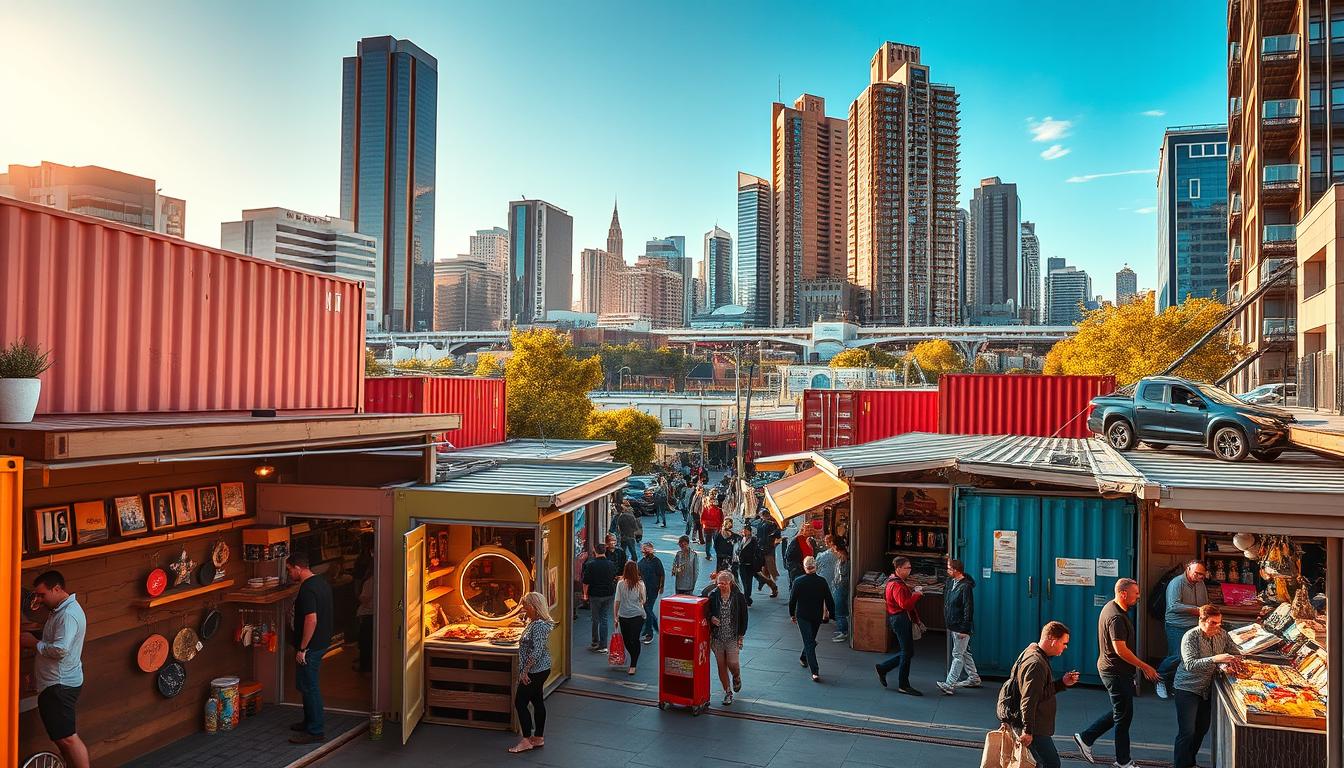
Imagine walking into a store that’s not just a place to shop, but an experience that stays with you long after you’ve left. Shipping containers are making this a reality by revolutionizing the concept of pop-up retail.
With their durability, portability, and versatility, shipping containers offer a unique solution for businesses looking to create immersive brand experiences. They provide a cost-effective way to establish a retail presence in high-demand locations, allowing companies to connect with customers in innovative ways.
The use of shipping containers in retail is on the rise, driven by the growing demand for unique and engaging shopping experiences. As retailers continue to seek out new ways to stand out in a crowded market, the benefits of pop-up retail with shipping containers are becoming increasingly apparent.
Key Takeaways
- Shipping containers provide a unique and cost-effective solution for pop-up retail.
- Their durability and portability make them ideal for high-demand locations.
- Retailers can create immersive brand experiences using shipping containers.
- The use of shipping containers in retail is driving innovation and growth.
- Pop-up retail with shipping containers offers a competitive edge in a crowded market.
The Evolution of Retail Spaces: From Traditional Stores to Mobile Pop-Ups
The traditional retail model is being disrupted by the rise of mobile pop-up shops, often housed in repurposed shipping containers. This shift reflects a broader change in consumer behavior and retailer strategy.
The Changing Landscape of Physical Retail
The way consumers shop has changed dramatically in recent years, with many seeking unique, memorable experiences over traditional retail interactions. As a result, brands are adapting by adopting more flexible and innovative retail strategies.
Why Pop-Up Retail Has Captured Brand Attention
Pop-up retail has become increasingly popular among brands due to its ability to provide unique customer experiences and test new markets with minimal risk.
Consumer Demand for Unique Experiences
Consumers are no longer satisfied with generic retail experiences. They crave something unique and memorable. Pop-up shops in shipping containers offer brands an opportunity to create immersive experiences that engage customers in new and innovative ways.
Testing Markets with Minimal Risk
One of the key advantages of pop-up retail is the ability to test new markets without the long-term commitment of a traditional storefront. This allows brands to gauge consumer interest and adjust their strategies accordingly.
According to a recent study, the use of shipping containers in retail can increase brand visibility by up to 30%. The following table highlights some key statistics related to pop-up retail:
| Retail Strategy | Success Rate | Customer Engagement |
|---|---|---|
| Traditional Storefront | 60% | Moderate |
| Pop-Up Shop | 80% | High |
| Shipping Container Pop-Up | 90% | Very High |
As the retail landscape continues to evolve, it’s clear that innovative uses of shipping containers in retail will play a significant role in shaping the future of pop-up shops.
How Shipping Containers Are Revolutionizing Pop-Up Retail
Shipping containers are transforming the retail landscape by providing a unique blend of mobility, durability, and style. This transformation is not just about aesthetics; it’s about creating sustainable retail solutions that are both cost-effective and adaptable to changing consumer demands.
The Perfect Blend of Mobility, Durability, and Style
One of the key advantages of using shipping containers in pop-up retail is their inherent mobility. Businesses can easily relocate their stores to capitalize on different events, seasons, or consumer trends. Moreover, shipping containers are incredibly durable, withstanding various environmental conditions and requiring minimal maintenance. Their ruggedness also lends itself to creative styling, allowing brands to express their identity through innovative designs and modifications.
Transforming Underutilized Urban Spaces
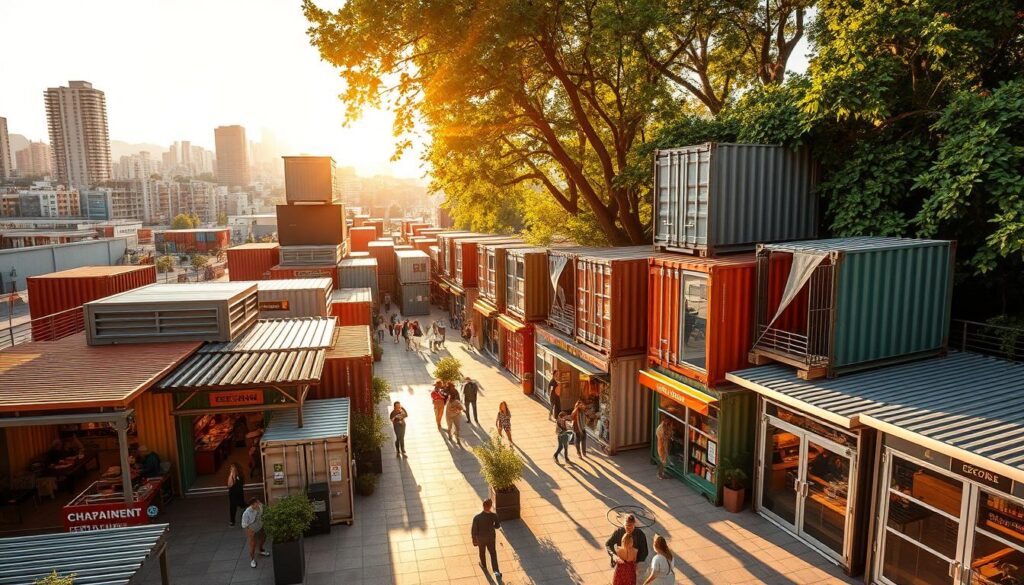
Shipping containers are playing a crucial role in revitalizing urban landscapes by transforming underutilized spaces into vibrant retail districts. This not only enhances the aesthetic appeal of these areas but also contributes to local economic growth.
Activating Vacant Lots and Parking Areas
Vacant lots and underused parking areas are being repurposed as thriving retail spaces thanks to shipping containers. This approach not only gives new life to neglected areas but also provides businesses with cost-effective pop-up retail options. By activating these spaces, cities can experience a resurgence in local commerce and community engagement.
Creating Instant Retail Districts
The strategic placement of shipping containers can instantly create retail districts, drawing in customers and fostering a sense of community. These pop-up retail districts can become hotspots for social media activity, further amplifying the visibility of brands that operate within them.
In conclusion, shipping containers are revolutionizing pop-up retail by offering a unique combination of mobility, durability, and style. By transforming underutilized urban spaces into vibrant retail environments, businesses can capitalize on new opportunities and connect with customers in innovative ways.
The Strategic Advantages of Container-Based Retail
The strategic advantages of container-based retail are attracting businesses worldwide. Container-based retail provides a unique blend of benefits that cater to the evolving needs of modern consumers and retailers alike.
Cost-Effectiveness Compared to Traditional Storefronts
One of the primary advantages of container-based retail is its cost-effectiveness. Shipping containers offer a significantly lower initial investment compared to traditional storefronts, making it an attractive option for businesses looking to minimize overhead costs. Additionally, the modular nature of containers allows for easy expansion or reduction of retail space as needed.
Flexibility to Follow Consumer Trends
Container-based retail also offers the flexibility to follow consumer trends. Pop-up stores can be easily relocated to areas with high foot traffic, allowing businesses to stay relevant and visible in a rapidly changing market. This mobility is particularly beneficial for brands looking to capitalize on seasonal trends or events.
Brand Differentiation in a Crowded Marketplace
In a crowded marketplace, brand differentiation is crucial. Container-based retail offers a unique and innovative way for brands to stand out. By utilizing shipping containers, businesses can create distinctive and memorable retail experiences that captivate customers and foster brand loyalty.
As quoted by a retail expert, “The use of shipping containers in retail is not just a trend; it’s a revolution in how we think about retail spaces.” This sentiment is echoed by numerous brands that have successfully leveraged container-based retail to enhance their customer engagement and brand visibility.
“The flexibility and uniqueness of container retail allow us to be where our customers are, creating a more engaging and immersive brand experience.”
The benefits of pop-up retail with shipping containers are clear. As the retail landscape continues to evolve, the strategic advantages of container-based retail position it as a significant player in the future of retail.
Overcoming Challenges in Container Retail Development
As container retail continues to gain popularity, businesses must navigate a complex landscape of challenges to successfully implement their strategies. The growing trend of using shipping containers in retail has brought about numerous benefits, but it also presents several obstacles that need to be addressed.
Navigating Zoning and Permit Requirements
One of the primary challenges in container retail development is complying with zoning and permit regulations. Cities have varying laws regarding the use of shipping containers for commercial purposes. To overcome this, businesses should engage with local authorities early in the planning process to understand specific requirements and ensure compliance.
Climate Control and Weather Considerations
Containers are made of steel, which can lead to extreme temperatures inside, affecting both merchandise and customer comfort. Implementing effective climate control measures, such as insulation, HVAC systems, and shading, is crucial. Additionally, weatherproofing the container to prevent water ingress and ensuring structural integrity are vital for long-term success.
Security and Infrastructure Solutions
Security is a significant concern for container retail, as these structures can be vulnerable to theft and vandalism. Businesses should invest in robust security systems, including CCTV cameras, alarms, and secure locking systems. Moreover, ensuring that the container is connected to necessary infrastructure, such as electricity, water, and sewage, is essential for operational efficiency.
| Challenge | Solution |
|---|---|
| Zoning and Permit Issues | Engage with local authorities, understand regulations |
| Climate Control | Insulation, HVAC systems, shading |
| Security Concerns | CCTV cameras, alarms, secure locking systems |
By understanding and addressing these challenges, businesses can successfully develop container retail projects, capitalizing on the growing trend of innovative uses of shipping containers in retail.
Innovative Design Approaches for Container Retail Spaces
Innovative design approaches are turning shipping containers into attractive and functional retail environments. As the retail landscape continues to evolve, businesses are leveraging creative strategies to maximize the potential of these unique spaces.
Maximizing Limited Square Footage
One of the key challenges in container retail is maximizing the limited square footage available. Designers are using various techniques to create a sense of spaciousness, including:
- Open layouts to enhance visibility and flow
- Vertical shelving and storage solutions
- Multi-level designs to create separate areas within the container
For instance, a container retail space might use a mezzanine floor to double the available retail space, or incorporate retractable walls to expand the interior during peak hours.
Creating Instagram-Worthy Customer Experiences
Creating an Instagram-worthy experience is crucial for modern retail, as customers are increasingly looking for unique and shareable moments. Container retail spaces are being designed with this in mind, incorporating:
- Eye-catching exterior designs that stand out in urban landscapes
- Interactive installations and immersive brand storytelling
- Visually appealing interior designs that encourage customer engagement
As noted by retail experts, “The most successful container pop-ups are those that create an immersive brand experience, often through interactive and visually striking designs.”
“The fusion of retail and art in container spaces is redefining the way brands connect with their audiences.”
Multi-Container Configurations and Expansions
For larger retail operations or events, multiple shipping containers can be configured and connected to create expansive retail environments. This approach allows brands to:
| Configuration | Benefits |
|---|---|
| Stacking and Connecting Multiple Units | Increased retail space, flexibility in layout design |
| Indoor-Outdoor Hybrid Spaces | Seamless transition between indoor and outdoor areas, expanded customer experience |
Stacking and Connecting Multiple Units
Stacking and connecting multiple container units enable brands to create complex retail environments that can accommodate a wide range of products and customer experiences. This configuration is particularly useful for events, festivals, or large-scale retail operations.
Indoor-Outdoor Hybrid Spaces
Indoor-outdoor hybrid spaces offer a unique retail experience, blurring the lines between inside and outside. By incorporating retractable roofs or walls, brands can create a seamless transition between indoor and outdoor areas, enhancing the overall customer experience.
By embracing these innovative design approaches, businesses can unlock the full potential of shipping containers as retail spaces, creating unique, engaging, and sustainable environments that attract customers and drive brand loyalty.
Technology Integration in Container Pop-Up Retail
The fusion of technology and container pop-up retail is transforming the way businesses interact with customers and manage their inventory. This integration is crucial for the success of cost-effective pop-up retail options with shipping containers, shaping the future of retail with shipping container pop-up stores.
Smart Retail Solutions for Small Spaces
Container pop-up retail spaces are leveraging smart retail solutions to maximize their limited square footage. These solutions include interactive displays, smart shelves, and personalized marketing tools that enhance the customer experience. By integrating technology, retailers can create an engaging and immersive environment that drives sales and brand loyalty.
Digital Payment and Inventory Management
Digital payment systems and inventory management tools are essential for the efficient operation of container pop-up retail. These technologies enable retailers to process transactions quickly, track inventory in real-time, and make data-driven decisions. By streamlining operations, businesses can reduce costs and improve customer satisfaction.
| Technology | Benefits | Impact on Retail |
|---|---|---|
| Digital Payment Systems | Fast, secure transactions | Improved customer experience |
| Inventory Management Tools | Real-time tracking, data analysis | Reduced costs, optimized stock levels |
Leveraging Social Media for Location-Based Marketing
Social media plays a vital role in promoting container pop-up retail locations. By leveraging location-based marketing strategies, businesses can target customers in the vicinity of their pop-up stores, driving foot traffic and sales. Retailers can use social media platforms to share updates, promotions, and engaging content that attracts customers to their temporary retail spaces.
As the retail landscape continues to evolve, the integration of technology in container pop-up retail will remain a key factor in its success, shaping the future of retail with shipping container pop-up stores.
Success Stories: Brands Thriving with Container Pop-Ups
The rise of container pop-ups has transformed the retail landscape, offering brands a unique way to engage with customers. Various brands, from major retailers to small businesses, have achieved success with container pop-ups, leveraging their unique advantages to drive sales and build brand awareness.
Major Retailers Embracing Container Innovation
Major retailers have been quick to adopt container pop-ups as part of their retail strategy. For instance, Nike and Apple have used container pop-ups to create immersive brand experiences. These pop-ups not only attract customers with their unique design but also provide a flexible and cost-effective way to test new markets.
Small Business Success Stories and Strategies
Small businesses have also benefited significantly from container pop-ups. Local boutiques and artisanal brands have used these pop-ups to increase their visibility and reach new customers. By participating in events and festivals, small businesses can create buzz around their products and build a loyal customer base.
Festival, Event, and Seasonal Pop-Up Case Studies
Container pop-ups are particularly effective during festivals, events, and seasonal sales periods. Brands have utilized container pop-ups to create themed retail experiences. These temporary retail spaces allow brands to capitalize on the high foot traffic during events, driving impulse purchases and increasing brand exposure.
By examining these success stories, it’s clear that container pop-ups offer a versatile and effective retail solution. Whether it’s a major retailer testing a new market or a small business looking to increase visibility, container pop-ups provide a unique opportunity to engage with customers and drive sales.
Sustainability and the Container Retail Movement
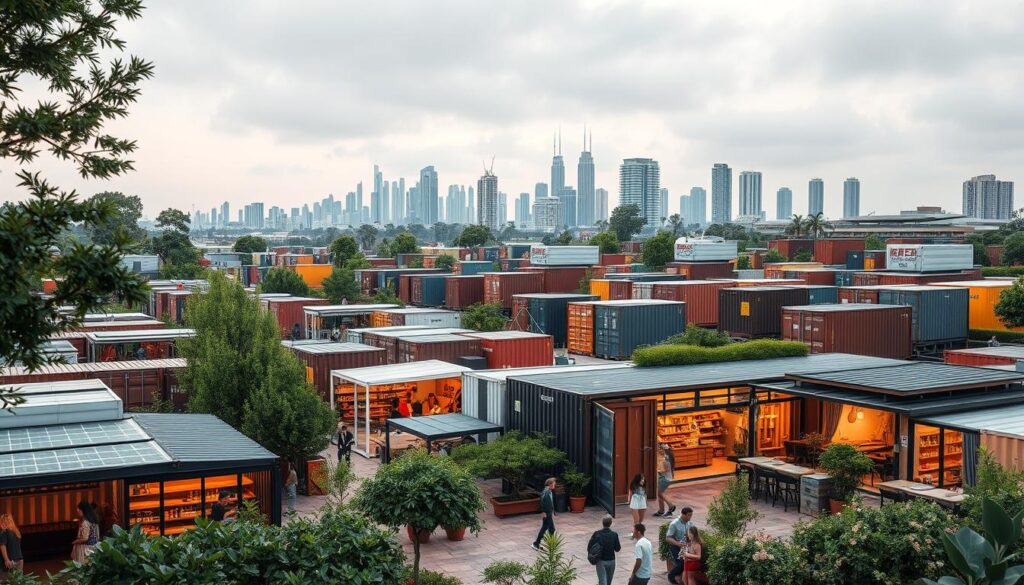
Sustainable retail solutions are being achieved through the creative repurposing of shipping containers. This innovative approach not only reduces waste but also transforms underutilized containers into functional retail spaces.
Upcycling Shipping Containers: The Ultimate Recycling
Upcycling shipping containers for retail use is a form of ultimate recycling. It gives old containers a new life, reducing the need for new materials and the environmental impact associated with manufacturing and construction processes.
Reduced Environmental Impact Compared to New Construction
Using shipping containers for retail significantly reduces the environmental footprint compared to traditional construction methods. Containers are already built, so the energy required for new construction is saved. Moreover, repurposing them avoids the waste that would come from demolishing or disposing of the containers.
Eco-Friendly Modifications and Green Technologies
Retailers are taking sustainability a step further by incorporating eco-friendly modifications and green technologies into their container stores. This includes energy-efficient lighting, solar panels, and recycled materials for interior design. Such initiatives not only reduce the operational carbon footprint but also appeal to environmentally conscious consumers.
The future of retail with shipping container pop-up stores looks promising, with sustainability at its core. As consumers become more eco-aware, retailers who adopt sustainable practices are likely to see increased brand loyalty and appeal.
Conclusion: The Future of Container-Based Retail
The retail landscape is undergoing a significant transformation, and shipping containers are at the forefront of this change. As discussed, the use of shipping containers for pop-up retail offers a unique blend of mobility, durability, and style, allowing businesses to engage with customers in innovative ways.
As shipping container retail trends continue to evolve, it’s clear that this approach provides a cost-effective pop-up retail options with shipping containers, enabling businesses to thrive in a competitive market. With the ability to transform underutilized urban spaces, container-based retail is not only sustainable but also offers a flexible and cost-effective solution for brands.
Looking ahead, the future of container-based retail appears promising, with opportunities for businesses to create immersive customer experiences, leverage technology, and promote sustainability. As the retail industry continues to adapt to changing consumer behaviors, the use of shipping containers is poised to play a significant role in shaping the retail landscape.
 Lawrence Quarles